









































25 October 2021 ABL's Guide To Choosing The Right Mask & Respirator
Respirator Selection Guide
Choosing the Right Respirator Mask: Half Face, Full Face, P2, P3, 3M & Sundstrom Options
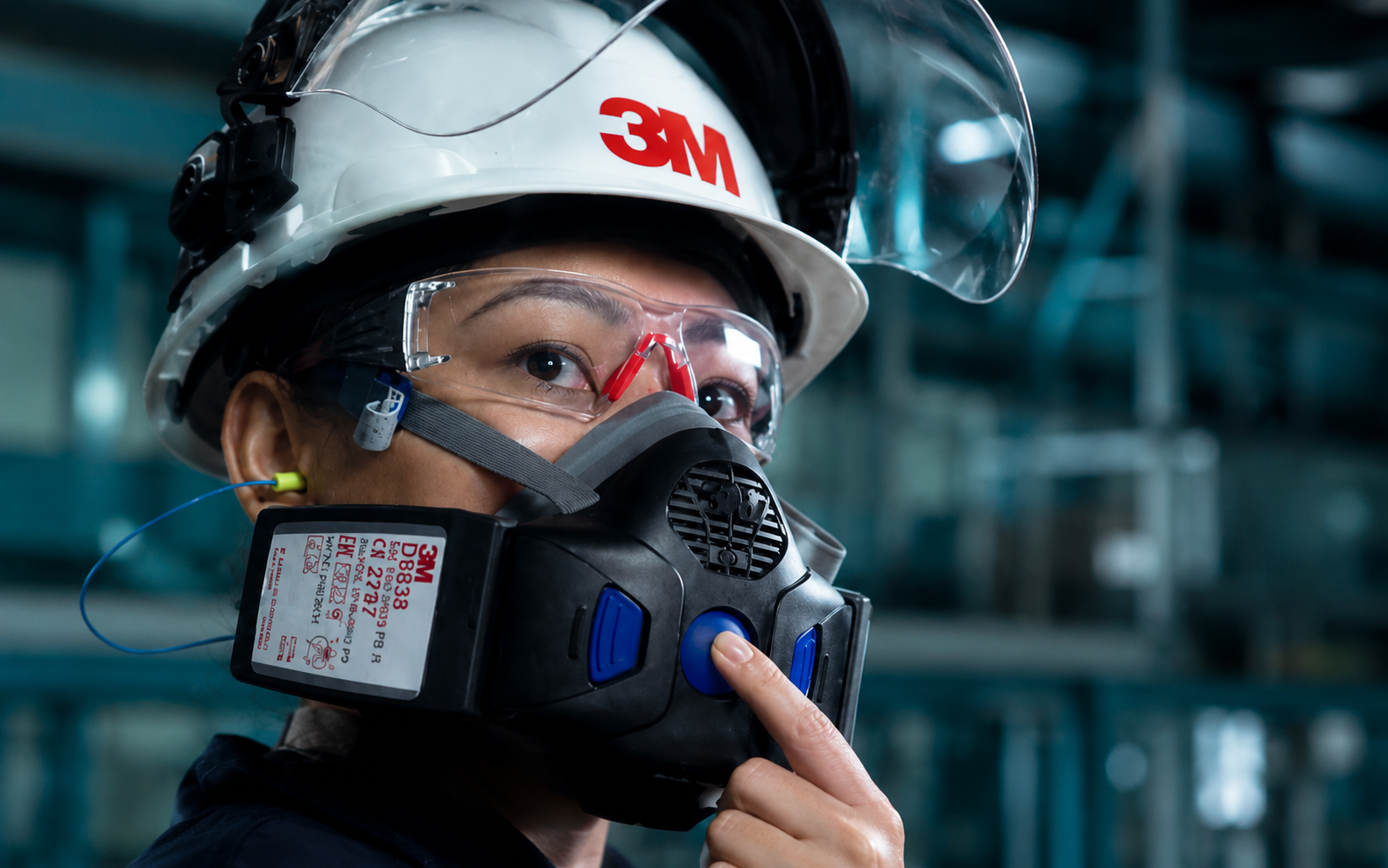
Choosing the right mask, respirator or face mask is essential for comfort, protection and workplace compliance. This guide explains respirator fit, mask size, filter selection, popular respirator types and when fit testing may be required.
Why the Right Respirator Fit Matters
AS/NZS 1715:2009 - Selection, Use and Maintenance of Respiratory Protective Equipment states that, "for RPE with a close fitting facepiece to provide its designed protection, it is essential that an adequate face seal is achieved." This means the respirator must be properly fitted to the wearer to deliver its intended level of protection.
Whether you are using a disposable face mask, P2 mask, dust mask, half face respirator, full face respirator, 3M respirator or Sundstrom mask, the fit, size and filter choice all matter.
Key Things to Consider
- Respirator Size & Face Shape
- Type of Hazard or Dust Exposure
- Disposable or Reusable Mask Style
- Half Face or Full Face Respirator
- P2, P3 & Gas/Vapour Filter Requirements
- Fit Testing Requirements
How to Choose the Right Mask or Respirator
1
Identify the Hazard
Start by identifying what you need protection from. Different jobs may require different respiratory masks, including dust masks, P2 masks, P3 respirators, asbestos masks, silica dust respirators, paint respirators, woodworking masks or spray painting masks.
2
Choose Disposable or Reusable
A disposable mask may be suitable for short-term or lower-frequency tasks, while a reusable respirator may be more practical for regular use. Reusable masks can often be fitted with different filters depending on the task.
3
Select Half Face or Full Face
A half face mask covers the nose and mouth, while a full face respirator covers the eyes, nose and mouth. Full face masks may be selected where additional face and eye coverage is needed.
4
Check the Filter Requirement
Filter selection is critical. P2 filters are commonly used for many dust and particle applications, while P3 filters may be required for higher-level particulate protection. Always choose filters based on the hazard, workplace requirements and manufacturer guidance.
5
Confirm the Fit
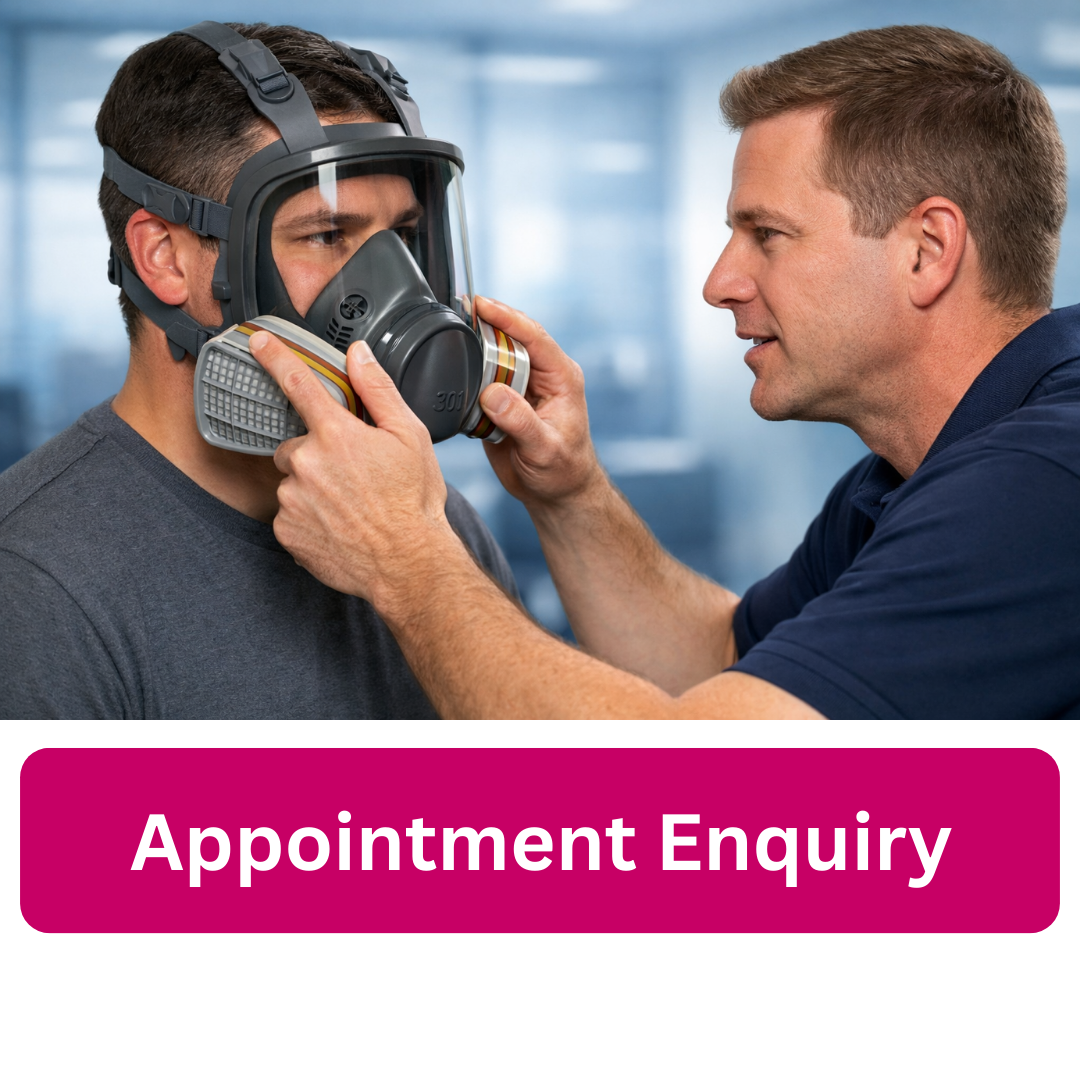
Tight-fitting respirators need to seal to the face. Facial hair, makeup, incorrect sizing or the wrong mask shape can impact the seal. Fit testing helps confirm whether the selected respirator suits the wearer.
Popular Industries & Protection Requirements
Construction & Concrete Work
Workers may need P2 masks, P3 respirators, dust masks, half face respirators or full face respirators depending on exposure to concrete dust, silica dust, cutting, drilling or grinding.
Asbestos & Hazardous Dust
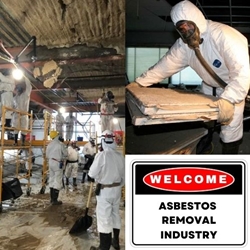
Asbestos masks and asbestos respirators must be selected carefully. Many applications require reusable respirators with suitable P2/P3 filters and strict workplace controls.
Spray Painting & Paint Work
Spray painting masks and paint respirators may be required for workers exposed to paint particles and overspray. Filter selection depends on the product and task requirements.
Woodworking & Joinery
Woodworking masks and dust respirators can help protect workers from fine wood dust generated during sanding, cutting, routing and machining.
Healthcare & Student Placement
P2 masks and disposable respirators may be required for healthcare workers, nursing students and placement requirements. These masks must fit correctly and may require fit testing.
Manufacturing & General Industry
Manufacturing workers may require respiratory masks, reusable respirators, 3M masks or Sundstrom respirators depending on dust, particles and workplace exposure risks.
Does My Respirator Need Fit Testing?
All tight-fitting respirators should be fit tested in accordance with AS/NZS 1715:2009. This includes many disposable P2 masks, half face respirators, full face respirators, CleanSpace masks, Shigematsu masks, 3M masks and Sundstrom respirators.
To pass a fit test, the respirator must be the correct size and shape for the wearer’s face. Workers must be clean-shaven where the respirator seals to the skin. Makeup can also affect the seal.
Fit Testing Is Needed When:
- A worker first starts using a tight-fitting respirator
- The mask size, style or model changes
- The wearer has facial changes
- There has been weight fluctuation or major dental work
- Annual fit testing is due
What Size Mask Will Fit Me?
Every face is different, which is why one respirator mask may fit one person perfectly but fail on another. A good respirator fit depends on face shape, nose bridge, chin shape, strap position and mask size.
If you are unsure which mask size will fit you best, ABL Distribution can help guide you toward selecting a suitable disposable masks, reusable masks, 3M respirators, Sundstrom respirators, half face masks and full face respirators.
Contact ABL for Respirator Sizing HelpExamples of Tight-Fitting Respirators That May Require Fit Testing
Disposable Tight-Fitting Respirators
3M Reusable Respirators
Sundstrom Respirators
CleanSpace & Shigematsu
Need Help Choosing the Right Respirator?
ABL Distribution supplies masks, dust masks, P2 masks, P3 respirators, half face respirators, full face respirators, 3M masks, Sundstrom respirators and fit testing services across the Gold Coast, Brisbane, SE QLD and Australia.
Contact ABL Distribution