









































07 July 2025 Choosing the Right Respirator for Spray Painting: Masks, Filters & Respiratory Protection Explained
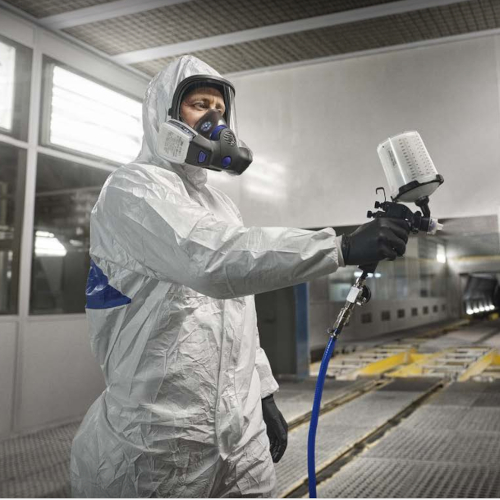
Do You Need Respiratory Protection When Spray Painting?
Choosing the right spray painting mask, paint respirator or reusable respirator depends on the paint type, exposure level and workplace requirements.
Why Respiratory Protection Matters When Spraying Paint
Yes, respiratory protection is essential when spray painting. Whether you are using water-based paints, solvent-based coatings, industrial finishes or specialised products, selecting the correct respirator mask is critical for protecting workers from airborne hazards.
Many people assume any face mask will provide protection during spray painting, however this is not always the case. Depending on the product being sprayed and the workplace environment, you may require a half face respirator, full face respirator, powered air purifying respirator, or supplied-air respiratory protection.
At ABL Distribution, we help businesses and individuals select suitable respiratory protection systems, filters and respirators for spray painting applications across Australia.
Water-Based Paint Applications
Water-based paints generally produce lower solvent exposure than solvent-based coatings. Depending on airborne contaminant levels and workplace conditions, suitable respiratory protection may be considered.
Solvent-Based Paint Applications
Solvent-based paints typically contain higher concentrations of organic solvents and generally require reusable respirators fitted with suitable organic vapour filters and particulate filtration.
The correct paint respirator, filter combination and respiratory protection setup will depend on the product being sprayed, the work environment, ventilation and exposure level.
3M 6251 A1 P2 Spraying Respirator Kit
3M 7551 A1 P2 Spraying Respirator Kit
3M 6851 A1 P2 Spray Paint Full Face Respirator Kit
3M 6051 A1 Organic Vapour Filter
Use with 3M 5925 P2 or 3M 5935 P3 filters + 3M 501 Retainers
Suitable 3M Bayonet Style Reusable Respirators.
3M Secure Click D8051 A1 Organic Vapour Filter
Use with 3M D7925 P2 or 3M D7935 P3 filters + 3M D701 Retainers
Suitable with 3M Secure Click Respirators.
Industrial Powder Coating
Industrial powder coating can involve airborne particulates depending on the process being performed. A professional assessment of exposure levels is recommended to confirm the correct mask, respirator and filter setup.
Clean-Up Solvents
Respiratory protection requirements for cleaning solvents vary depending on the chemical composition of the solvent being used. Suitable options may include reusable respirators, full face respirators, organic vapour filters, powered air purifying respirators or supplied-air respiratory protection.
Always consult the product safety information and workplace procedures before choosing respiratory protection.
Isocyanates: Important Respiratory Protection Warning
Safe Work Australia advises that supplied-air respiratory protection must be used when spraying isocyanate-containing products.
Organic vapour respirators and powered air purifying respirators are not considered suitable for spraying isocyanates.
Reference: Safe Work Australia – Guide to Handling Isocyanates
Industries That Commonly Use Paint Respirators
Automotive Spray Painting
Panel beaters, spray painters and automotive repairers often require suitable paint respirators and filters for vehicle refinishing, repairs and coating applications.
Marine Coatings
Marine painters and boat repairers may require spray painting respirators for coating applications on vessels, components and marine structures.
Manufacturing
Manufacturing workers may use reusable respirators, half face respirators or full face respirators for coating, finishing and production tasks.
Industrial Maintenance
Maintenance teams may require respirator masks for coating repairs, surface preparation and repainting projects.
Aerospace & Transport
Workers applying specialised coatings may require carefully selected respiratory protection based on the product and exposure risk.
Furniture & Finishing
Spray finishing applications may require half face, full face, powered air-purifying respirator or supplied air respiratory protection depending on the coating or finish used.
Does Your Spray Painting Respirator Need Fit Testing?
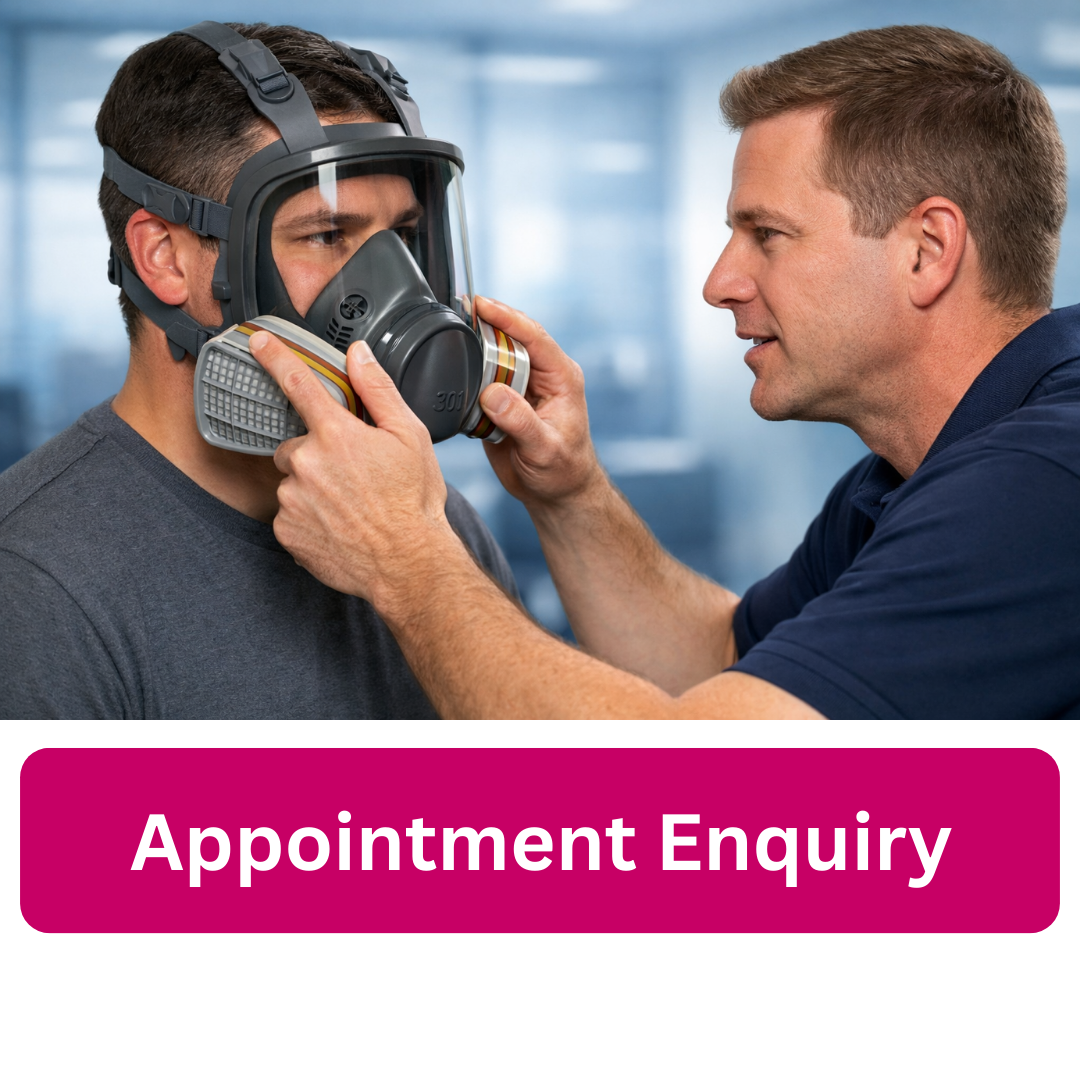
Yes. Tight-fitting respirators should be fit tested to confirm they seal correctly to the wearer’s face. This includes many half face respirators, full face respirators and 3M respirator systems.
AS/NZS 1715:2009, Australia’s recognised standard for the selection, use and maintenance of respiratory protective equipment, states that close-fitting RPE must achieve an adequate face seal to provide its designed protection.
In simple terms, if your respirator does not fit your face correctly, it may not protect you properly.
- Half face and full face respirators should be fit tested
- Facial hair can interfere with the seal
- Incorrect sizing can cause leakage
- Fit testing helps confirm the correct respirator model and size
Half Face Respirator vs Full Face Respirator
Both half face respirators and full face respirators can be used for spray painting applications when correctly selected, fitted and matched with suitable filters.
| Half Face Respirator | Full Face Respirator |
|---|---|
| Covers the nose and mouth | Covers the eyes, nose and mouth |
| Requires separate eye protection | Provides integrated eye and face coverage |
| Lightweight reusable mask option | Often selected for higher exposure applications |
| Compatible with selected filters | Compatible with selected filters |
| Must be fit tested if tight-fitting | Must be fit tested if tight-fitting |
Explore Our Safety & PPE Range
Need Help Choosing the Right Spray Painting Respirator?
ABL Distribution can help with paint respirator selection, half face respirators, full face respirators, 3M respirator systems, filter selection and respirator fit testing.
Contact ABL Distribution