


























24 June 2015 Hard Hat Safety Guide: Everything You Need to Know About Workplace Head Protection
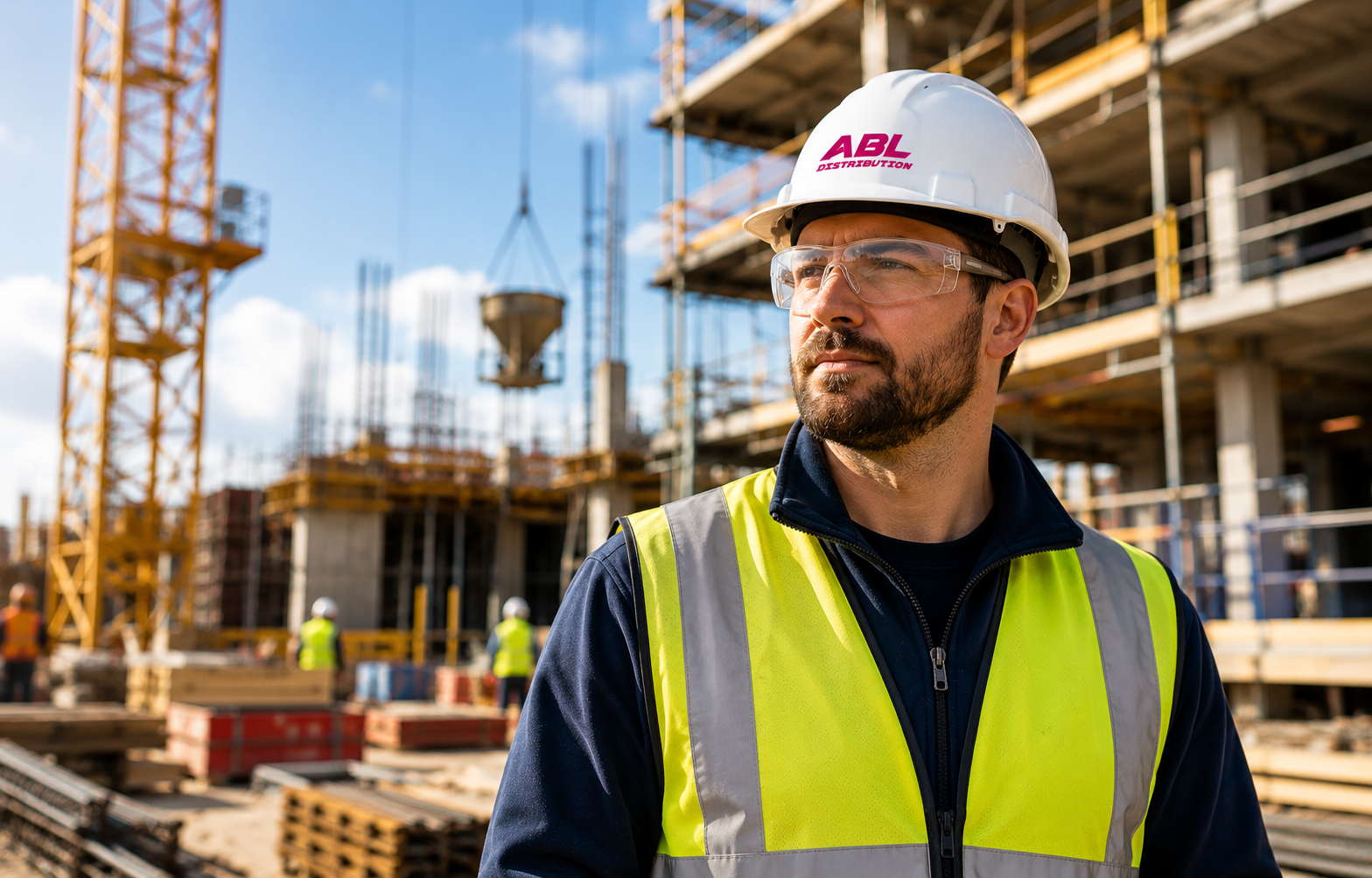
ABL's Guide To Workplace Head Protection
Workplace Safety Made Easy: Protective Head Wear Made Simple
Learn what hard hats are used for, when head protection should be worn, how Australian Standards apply, when to replace safety helmets, and how accessories can improve sun, face and hearing protection on site.
AS/NZS 1801:2024
Hard Hats
Head Protection
Safety Accessories
Quick Guide
- What hard hats protect against
- Current Australian Standard
- When to replace your hard hat
- Compatible accessories
Why Head Protection Matters In The Workplace
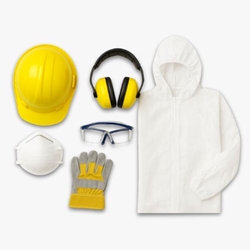
Protective head wear is an important part of workplace safety across construction, manufacturing, warehousing, logistics, civil works and industrial sites. The most common type of protective head wear used in these environments is the hard hat, also known as an industrial safety helmet.
Hard hats help protect workers from hazards such as falling objects, bumps, impact, debris, weather exposure and some electrical risks, depending on the helmet type and rating. Choosing the correct head protection helps reduce the risk of serious head injury and supports safer work practices.
What Is A Hard Hat?
A hard hat is a protective helmet designed to help reduce the severity of head injuries in workplace environments. It usually includes a rigid outer shell and an internal harness or suspension system.
The shell helps deflect impact, while the suspension system creates a buffer between the helmet shell and the worker’s head. This helps absorb and distribute impact force rather than transferring the full force directly to the skull.
Common Workplace Hazards
- Falling objects
- Overhead hazards
- Impact from fixed objects
- Workplace debris
- Outdoor weather and sun exposure
Current Standard
AS/NZS 1801:2024
In Australia and New Zealand, occupational protective helmets are covered by AS/NZS 1801:2024. This standard replaced the older AS/NZS 1801:1997 and sets out specifications for protective helmets used to reduce the severity of workplace head injuries.
When choosing a hard hat, look for helmets that are marked as compliant with AS/NZS 1801 and check that the helmet type, accessories and intended use match your workplace hazards.
When Should You Replace Your Hard Hat?
Hard hats do not last forever. Exposure to sunlight, heat, chemicals, impact and general wear can weaken the helmet shell and suspension system over time. Always follow the manufacturer’s replacement guidance.
Replace If Damaged
- Cracks, dents or splits in the shell
- Impact marks or deformation
- Broken mounts, clips or adjustment points
Replace If Aged
- Dull, chalky or brittle surface
- Damaged or worn suspension harness
- Poor fit or difficult adjustment
Store Correctly
- Keep in a cool, dry location
- Avoid direct sunlight when stored
- Do not leave on dashboards or rear car shelves
Hard Hat Accessories For Extra Protection
Some workplaces require more than basic head protection. Depending on the hazard, workers may also need protection from sun, face impact, flying particles, glare, noise or poor visibility.
Sun Brims & Neck Flaps
Help reduce sun exposure for outdoor workers.
Browguards & Face Shields
Assist with face protection from debris, splash or particles.
Safety Earmuffs
Provide hearing protection where compatible helmet-mounted earmuffs are suitable.
Reflective Strips
Improve worker visibility in low light or busy site environments.
Accessory Safety Tip: Only use accessories that are compatible with the hard hat model. Incorrect accessories may affect helmet fit, performance or compliance.
Sun Protection When Hard Hats Are Not Required
When a hard hat is not required, workers may still need protection from the sun. Broad brim hats, UV-protective safety glasses and sunscreen can help reduce exposure during outdoor work.
ABL’s head protection range includes broad brimmed hats for sun protection where hard hats are not required, along with safety accessories to support workplace comfort and protection.
Frequently Asked Questions
What is the current Australian Standard for hard hats?
The current Australian/New Zealand standard for occupational protective helmets is AS/NZS 1801:2024.
Is AS/NZS 1801:1997 still current?
AS/NZS 1801:1997 has been superseded by AS/NZS 1801:2024.
Can I order custom printed hard hats?
Yes. ABL Distribution offers custom printed hard hats for businesses looking to add company branding or improve worker identification. To enquire about custom printed hard hats click here!
How often should hard hats be replaced?
Always follow the manufacturer’s instructions. Replace a hard hat immediately if it has been impacted, damaged, cracked, weakened, or shows signs of ageing or deterioration.
Can I add stickers or accessories to a hard hat?
Only add stickers or accessories if they are permitted by the manufacturer and do not affect the helmet’s performance, fit or compliance.
Do I need a hard hat outdoors?
A hard hat is required where there is a risk of head injury. If a hard hat is not required but sun exposure is a concern, broad brim hats, safety glasses and sunscreen may be suitable.
Need Help Choosing Head Protection?
ABL Distribution supplies hard hats, head protection accessories, broad brim hats and workplace safety products for industrial, construction, warehouse and outdoor environments.
Contact ABL Distribution