



































10 November 2021 Mask Fit Testing Australia: Complete Guide to Respirator Fit Testing, Compliance & Workplace Safety
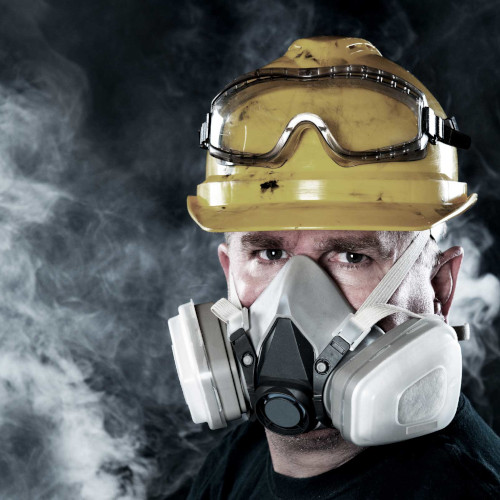
Mask Fit Testing Australia: Everything You Need to Know About Respirator Fit Testing
Whether you're wearing an N95 mask in healthcare or a respirator in construction, mining, or manufacturing, learn how fit testing protects workers and supports compliance with AS/NZS 1715:2009 across Australia.
Respiratory hazards exist across many industries, including healthcare, construction, manufacturing, mining, laboratories, spray painting, and emergency services. When workers are exposed to dust, fumes, chemicals, airborne contaminants, or infectious particles, the correct respiratory protective equipment (RPE) is critical.
However, simply wearing a respirator is not enough.
To provide effective protection, a respirator must form a proper seal against the wearer's face. Even small leaks can reduce its effectiveness and allow harmful particles to be inhaled. That's why fit testing has become a key part of workplace safety programs throughout Australia.
At ABL Distribution, we provide professional fit testing services throughout Brisbane, Gold Coast, and South East Queensland, helping businesses stay compliant while ensuring workers receive the protection they need.
What Is Mask Fit Testing?
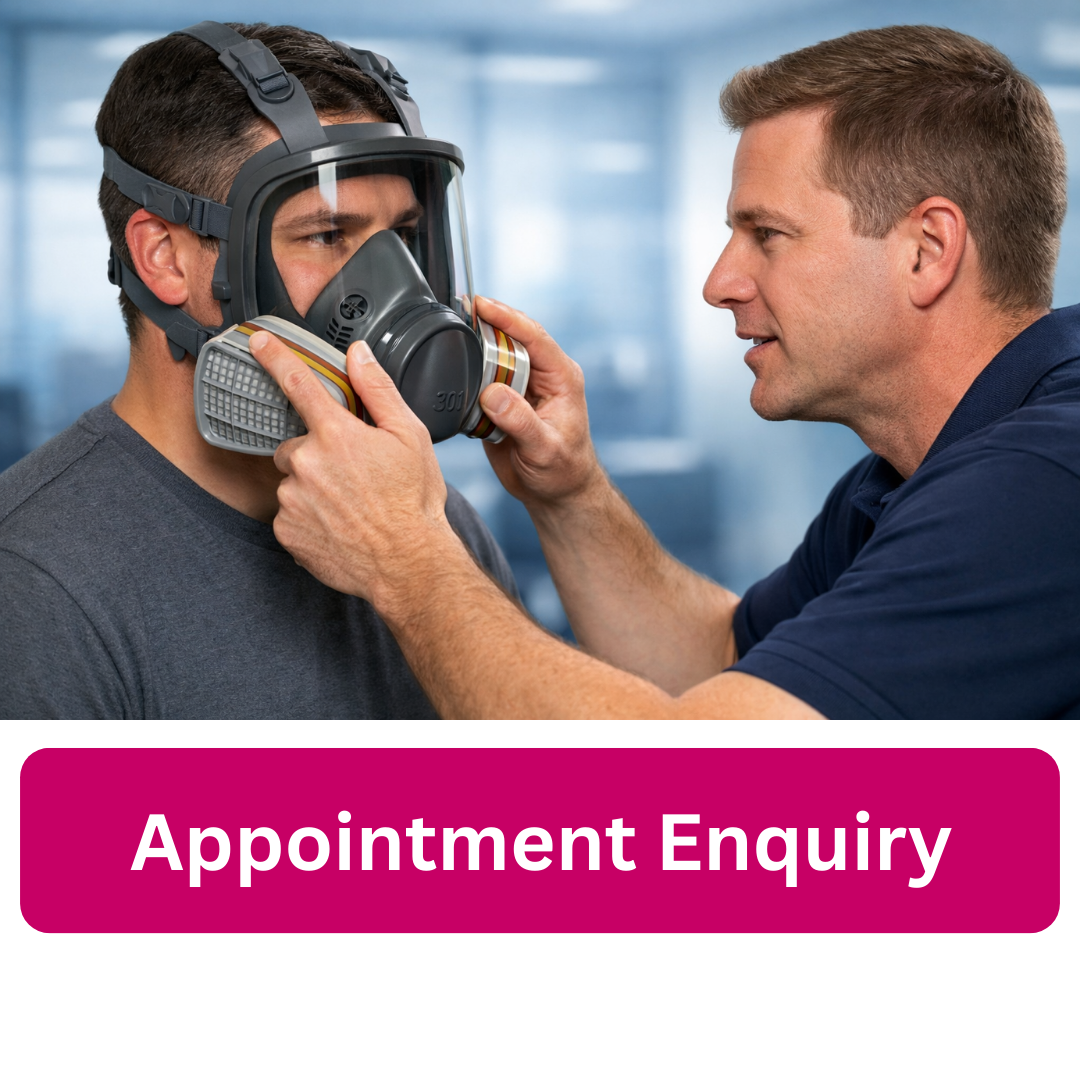
A mask fit test is a process used to determine whether a respirator creates an effective seal against the wearer's face.
Every person's face shape is different. A respirator that fits one worker perfectly may fail completely on another. Fit testing identifies the most suitable respirator model and size for each individual.
The purpose of fit testing according to the Australian Standard AS/NZS 1715:2009 is to:
- An adequate facial seal is achieved
- The wearer can correctly don the respirator
Key Point: A respirator can only protect the wearer when it seals correctly against the face.
What is the difference between a Quantitative Fit Test & a Qualitative Fit Test?
AS/NZS 1715:2009 recognises two types of respirator fit testing: Qualitative & Quantitative.
A Qualitative Fit Test is a simple and fast method that relies on the wearer's ability to detect a taste or smell. Because it depends on the wearer, the results can be subjective.
A Quantitative Fit Test uses specialised equipment operated by a trained assessor to measure the amount of air leaking into the respirator. It provides an objective numerical result called a fit factor, making it the more accurate method of fit testing.
For many workplaces, quantitative fit testing is the preferred option as it provides measurable evidence that the respirator is providing the intended level of protection.
Is Respirator Fit Testing Required in Australia?
Under AS/NZS 1715:2009, workers using tight-fitting respirators should be fit tested before first use and at least annually thereafter to ensure an effective seal is maintained and the respirator continues to provide the intended level of protection.
Fit testing should be completed in the following circumstances:
- Before the respirator is issues, a qualitative or quantitative fit test as set out in Clause 8.5 should be performed to assure the choice of a suitable respirator
- A further facial fit test should be performed at lest annually or whenever there is a change in the wearers facial characteristics or other features which may affect the facial seal of the respirator
- At each use, the respirator should be donned before entering the contaminated area so the user can perform a simple positive or negative pressure fit check to test the respirator fit
Information adapted from AS/NZS 1715:2009.
What Happens During a Fit Test?
Before commencing a fit test, participants must be clean-shaven where the respirator seals against the face. Once the respirator is fitted and connected to the testing equipment, a series of exercises are performed to assess how well the seal is maintained during typical workplace movements.
These include:
- Bending Over
- Jogging On The Spot (Reusable Respirators) or Talking (Disposable Respirators)
- Head Side to Side
- Head Up and Down
At the end of the test, a numerical result known as a fit factor is generated. A minimum fit factor of 100 is required for half-face respirators and 500–1000 for full-face negative-pressure respirators. Fit testing should be repeated annually, or whenever there are significant changes to the wearer or respirator.
Why Do Respirators Fail Fit Testing?
There are several reason why a respirator may fail.
Common causes include:
- Incorrect Respirator Size
- Respirator Model Not Suitable
- Worn or Damaged Mask
- Loose Straps
- Over-Tightened Straps (A common misconception is that tighter is better, but it's actually not!)
- Facial Hair
- Changes in Facial Structure(Example: Broken Nose)
- Weight Fluctuations
Fit testing helps identify these issues before workers enter hazardous environments.
Understanding Respirators Filters
Selecting the correct filters is just as important as selecting the correct respirator.
According to Australian Standards, particulate filters are generally classified as:
-
P1 Filters
Suitable for mechanically generated particles with lower filtration requirements.
-
P2 Filters
Suitable for mechanically and thermally generated particles. Commonly used in construction, manufacturing and healthcare.
N95 masks are most commonly used in the healthcare industry. -
P3 Filters
Provide the highest particulate protection and are often used in high-risk applications involving highly toxic materials.
Different workplaces may require:
- Particulate Filters
- Gas Cartridges
- Vapour Cartridges
- Combination Filters
A proper respiratory program should also include a documented filter replacement schedule.
Not sure which filters you need? Click here to explore our Respiratory Filter Selection Guide.
Professional Fit Testing Brisbane & Gold Coast
ABL Distribution provides professional mask fit testing, respirator fit testing and N95 fit testing services for businesses and individuals.
We support industries including:
-
Healthcare
-
University Students/Placement
-
Construction
-
Mining
-
Manufacturing
-
Emergency Services
-
Government
-
Infrastructure
-
Trade Contractors
Our fit testing services are available:
-
In-House at ABL Distribution - 11 Harrington Street, Arundel, QLD 4214
-
Onsite Across South East Queensland - Brisbane & Gold Coast
If you would like more information about fit testing or our professional fit testing services, click here.
Frequently Asked Questions
What is a fit test?
A fit test measures how effectively a respirator seals against your face.
How often should fit testing be completed?
Fit testing should be completed before first use and at least every 12 months, following facial changes or changes in the respirator brand/model or size.
Can facial hair affect a fit test?
Yes. Any type of facial hair, whether its a beard, moustache or even slight stubble, can break the seal and cause respirators to fail.
If I don't know which mask I need to be tested on, can I just be tested on any mask?
No. Fit testing is specific to the brand, model, and size of the respirator you will be using. If you're unsure which mask is required, we recommend checking with your employer, university, or training provider. Alternatively, our friendly team can help guide you in selecting a suitable respirator for your application before your fit test.
Does ABL Distribution provide mask fit testing for nursing students?
Absolutely! We provide fit testing for nursing students throughout the year and are familiar with the respirator requirements of many universities and healthcare placements. If you need a fit test but don't already have a respirator, we also stock a range of N95 masks and can supply a single mask for testing purposes on the day.
Want to Book Your Fit Test Today?
ABL Distribution provides professional mask fit testing, respirator fit testing and N95 fit testing throughout Brisbane, the Gold Coast and South East Queensland.
Enquiry to Book Your Fit Test Here